



Solid Hardwood vs. Engineered Hardwood: Which Is Right for Your Home?
Hardwood flooring remains a popular choice for homeowners who want a natural surface with lasting visual appeal. But choosing hardwood is only the beginning. You also need to decide which type makes sense for your home.
Solid hardwood flooring and engineered hardwood flooring can both provide the beauty of real wood, yet their construction is different. Those differences can affect where each product can be installed, how it responds to changes in the environment, and how you should plan the project.
How Solid Hardwood Is Constructed
Solid hardwood flooring is made from a single piece of wood. Because the material runs through the entire board, it can often be sanded and refinished multiple times over its useful life, depending on the thickness and condition of the flooring.
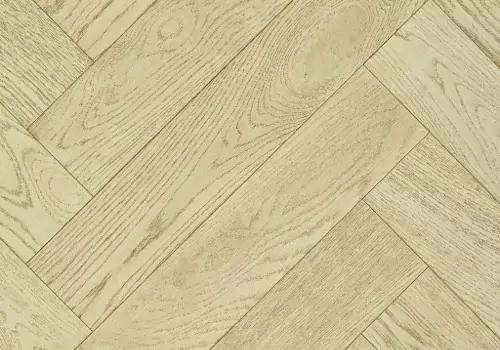
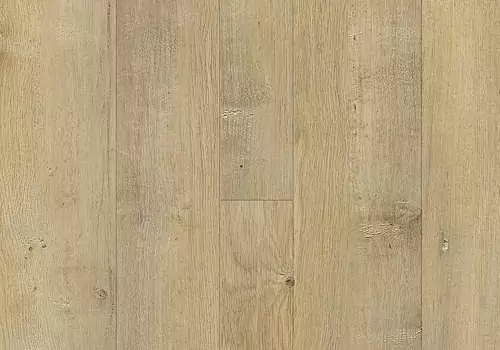
Solid hardwood is available in many species, widths, finishes, and colors. Oak, maple, hickory, and other wood species can create very different looks.
One factor to consider is how the floor may respond to seasonal changes in indoor humidity. Wood naturally expands and contracts as moisture levels change. Proper acclimation, installation, and indoor climate control are therefore important parts of a successful solid hardwood flooring installation.
What Makes Engineered Hardwood Different?
Engineered hardwood flooring has a real wood surface layer over a multi-layer wood-based core. The construction is designed to provide greater dimensional stability than a solid wood board.
That can make engineered flooring a practical choice for certain rooms and installation conditions where solid hardwood may not be the preferred option.
Engineered products are available in many styles that closely resemble traditional hardwood. You can find different species, colors, textures, plank widths, and finishes, making it possible to achieve a classic or contemporary appearance.
The thickness of the real wood wear layer varies by product, so ask about the specific construction before buying. Some engineered floors can also be refinished, but the number of times depends on the product.
Consider Where the Floor Will Be Installed
The room and subfloor should influence your decision. Solid hardwood is commonly installed over suitable wood subfloors and may be a strong choice for above-grade spaces where traditional wood flooring is desired. Engineered flooring can offer more flexibility in certain applications and may be appropriate for locations where changes in moisture or subfloor conditions require a more stable construction.
Neither product should be selected based on appearance alone. The condition and type of subfloor, room location, moisture conditions, and manufacturer’s installation requirements all matter. A professional evaluation can help identify potential concerns before installation begins.
Compare Installation Requirements
Hardwood installation is not simply a matter of placing boards on the floor. The installation method depends on the product and the conditions of the room.
Solid hardwood flooring installation is often nailed or stapled to a suitable wood subfloor. Engineered hardwood flooring installation may offer additional methods depending on the product, including nail-down, staple-down, glue-down, or floating installation.
Because manufacturers have specific requirements, the installation method should always follow the flooring’s instructions. Proper preparation also matters. The subfloor needs to be sound, clean, and appropriately level, and the flooring may need time to acclimate before installation.
Think About Long-Term Value
Both types of hardwood can provide a durable and attractive surface, but long-term expectations may differ. If your priority is a traditional solid wood floor that can potentially be refinished many times, solid hardwood may be appealing. If installation flexibility and dimensional stability are higher priorities, engineered hardwood may deserve closer consideration.
Your budget, room conditions, preferred appearance, and plans for the home should all be part of the conversation. It is also worth considering how the flooring will work with the rest of the house. A consistent wood tone can create flow between rooms, while carefully chosen transitions can help different flooring materials meet naturally.
Choose Hardwood Based on Your Home
There is no universal winner between solid and engineered hardwood. The right choice depends on the room, subfloor, installation conditions, design goals, and how you expect the floor to perform over time.
If you are comparing hardwood flooring options, contact Flemington Department Store today to discuss your project. Visit our showroom in Flemington, NJ to see solid and engineered options in person and talk through hardwood installation considerations. Whether you are planning solid hardwood flooring installation or exploring engineered hardwood flooring installation, you can find options for homes throughout Flemington, NJ, as well as Hunterdon and Somerset counties in New Jersey, and Bucks County, Pennsylvania.